1967
One-of-a-Kind
Verified
Volkswagen Escarabajo
1500 · Sedan
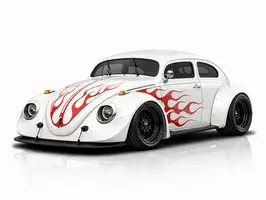
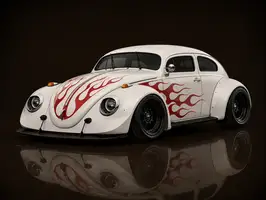
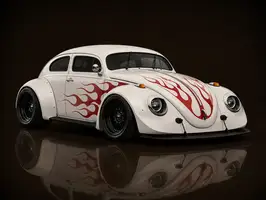
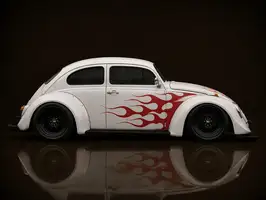
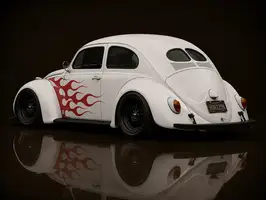
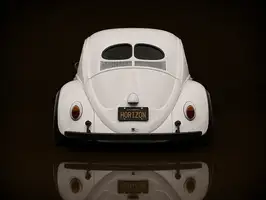
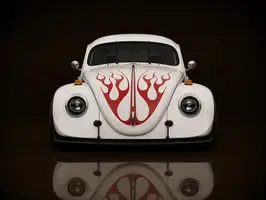
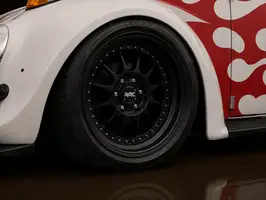
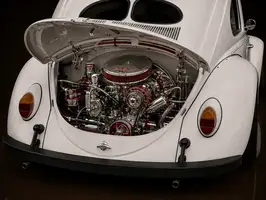
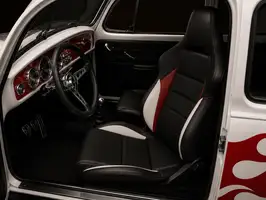
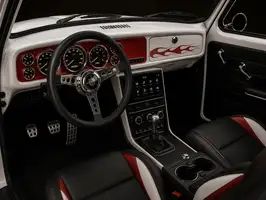
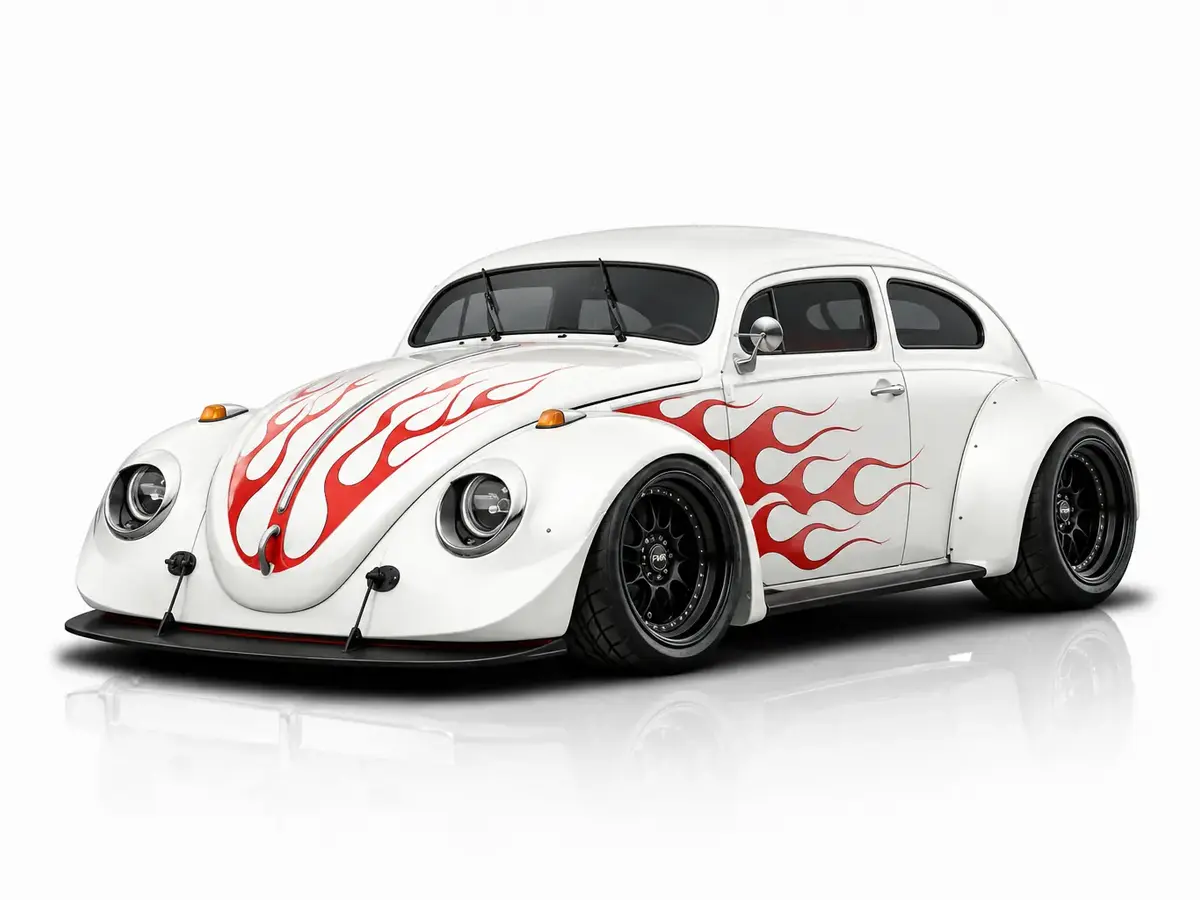
This one-of-a-kind 1967 VW Beetle combines timeless style with serious performance. Finished in brilliant white with bold red flame graphics, it features aggressive wide fenders, custom black and gold wheels, and an open-top convertible design that turns heads everywhere it goes. Power comes from a professionally built 2275cc air-cooled Volkswagen engine, delivering exhilarating performance while preserving the unmistakable character that has made the classic Beetle an icon for generations.
$65 000 000
⭐ 4.9 · 142 reviews · Featured Build
✓ Perfect for
- Show-quality collectors
- Air‑cooled purists
- Documentation lovers
✗ Not for
- Daily commuting
- Budget buyers
- Family haulers
Mileage99 000 mi
Horsepower185 HP
TransmissionAutomatic
volkswagen escarabajo 1967 — real ownership, not the fantasy
The 1967 Volkswagen Beetle 1967 is the one people overestimate. It looks simple, and it is, but simple doesn’t mean easy to live with.
From the factory, you get a 1500cc single-port engine, about 53 horsepower. Carbureted. Air-cooled. No oil filter, just a screen. Curb weight sits around 1,750 lbs. That’s why it feels responsive at low speed. Past 60 mph, it runs out of breath.
This car was built for slower roads. That matters.
how fast it actually is
Stock numbers are slow enough to affect safety.
0–60 mph takes around 18–20 seconds. Real-world highway speed is 60–65 mph without stressing the engine. You can push it to 75, but oil temps climb and the engine starts to feel loose.
Modern traffic runs 70–80 mph. That gap forces you into the right lane with no margin. That’s the reality of a stock setup.
what breaks and how often
Valve adjustments every 3,000 miles. No exception. Air-cooled engines expand and contract more than water-cooled ones. If you skip this, valves tighten, then burn.
Oil changes every 3,000 miles. The system holds about 2.5 quarts. No full-flow filter unless modified. Dirty oil circulates fast.
Ignition points wear out. Condensers fail. Carburetors drift out of tune with temperature and altitude.
Wiring becomes unreliable after decades. Insulation cracks. Grounds weaken. You’ll chase electrical faults unless the harness is replaced.
This is normal for the car. Not a defect.
can it replace a modern car
Not without rebuilding most of it.
A modern car starts every time, handles heat and traffic, and tolerates neglect. A 1967 Beetle doesn’t tolerate anything. It reacts immediately to poor maintenance.
You can make it usable as a daily driver, but that requires upgrades in every system that matters.
engine upgrades that actually change the car
A 1776cc engine build is the baseline. Same case, larger pistons and cylinders. Power moves into the 75–90 hp range. Cost runs $3,000 to $6,000 depending on parts and machine work.
That alone makes highway driving realistic.
A 1915cc or 2110cc build pushes 100–140 hp. Now it keeps up with modern cars. But heat becomes a problem. Cheap builds overheat and fail early. Good cooling tin, proper compression ratio, and correct carb tuning decide engine life.
There’s no margin for shortcuts.
Parts usually come from suppliers like CB Performance or EMPI. Quality varies. Cheap kits fail faster. That’s been consistent for years.
brakes and handling fixes you can’t ignore
Stock drum brakes work when perfectly adjusted. Most aren’t. After two or three hard stops, they fade. Pedal gets longer. Stopping distance increases.
Front disc brake kits cost $400–$800. Full conversions go over $1,200. That’s basic safety, not performance.
The rear swing axle setup creates camber change in corners. Push the car hard and the outside rear wheel tucks inward. That’s how these cars spin or roll.
A camber compensator reduces the problem. An IRS conversion fixes it but requires cutting, welding, or swapping to a later chassis. Costs vary from $1,500 to $3,000 depending on labor.
what it costs to make one usable
A real build from 2023 in Nevada:
- 1776cc engine: $4,500
- dual carburetors: $800
- front disc brakes: $600
- wiring harness replacement: $500
- suspension rebuild: $1,000
- transmission with taller gearing: $1,700
Total: around $9,000 in parts and labor.
Before the work, the car struggled to hold 55 mph and wandered under braking. After the work, it held 70 mph and stopped straight.
That’s the difference money makes.
one example that shows how these cars fail
A ’67 came into a shop in Riverside in 2020. Owner said it was “restored.” It wasn’t.
Engine had uneven compression: 125, 120, 90, 85 psi. Two cylinders were worn. Rear brakes were soaked in gear oil from leaking axle seals. Brake shoes were useless.
He drove it daily.
Repairs:
- engine rebuild (1776cc): $3,900
- rear brake system replacement: $600
- axle seal repair: $300
After that, it drove predictably. Before that, it was one panic stop away from losing control.
strengths that still hold up
Mechanical simplicity is real. You can remove the engine with basic tools in under an hour. That’s not possible on modern cars.
Parts availability is still strong. Most components are reproduced. Prices are lower than many modern OEM parts.
Fuel economy sits around 25–30 mpg when tuned properly. That hasn’t changed.
The car is light. Less stress on every system. Tires, brakes, and suspension last longer than heavier vehicles.
weaknesses that don’t go away
Safety is minimal. Thin steel, no airbags, no engineered crash structure. In a collision with a modern vehicle, the difference is obvious.
It’s slow unless modified. That doesn’t change without engine work.
Rust destroys structure. Heater channels and floor pans are part of the chassis. When they rot, the car flexes. Repairs require cutting and welding, not patching.
Heating system pulls air across the exhaust. If heat exchangers leak, exhaust gases enter the cabin. That’s a real problem in older cars.
Maintenance never stops. This is not occasional upkeep. It’s constant.
what you end up with after building one
After engine, brakes, suspension, wiring, and transmission upgrades, the car can function in modern traffic. It starts reliably. It holds highway speed. It stops straight.
It still lacks modern safety and isolation. Noise, vibration, and heat stay. That’s part of the design.
You don’t turn a 1967 Beetle into a modern car. You build it into something that can survive in the same environment.